


What if the next major cultural destination in the Middle East isn’t a coastal city, but a desert valley filled with 2,000 years of history?
AlUla is quickly becoming one of the most talked-about places in Saudi Arabia. It combines ancient tombs, sandstone cliffs, modern architecture, and a growing arts scene. And it’s changing how travelers see the region.
In this article, we’ll cover:
-
Why AlUla matters in global travel
-
What makes it unique
-
What to see and do
-
Practical tips before you go
If you’re planning a trip to Saudi Arabia or just tracking new destinations, AlUla deserves attention.
AlUla in Today’s Travel Landscape
AlUla stands at the center of Saudi Arabia’s push to open its cultural heritage to the world.
For decades, this region was mostly unknown outside the country. Now it is part of a broader national tourism strategy that aims to diversify the economy beyond oil. As a result, infrastructure, conservation projects, and international partnerships have expanded quickly.
But beyond policy, the real reason AlUla matters is simple: it offers something different.
-
A UNESCO World Heritage site in the middle of the desert
-
Large-scale landscape preservation
-
Carefully planned tourism development
-
A mix of archaeology, art, and nature
Unlike heavily urban destinations, AlUla feels open and vast. You see more sky than buildings. And that changes the experience.
Related keywords used here include Hegra UNESCO site, Saudi Arabia tourism, and desert heritage sites.
Hegra and the Ancient History of AlUla


The core of AlUla’s appeal is Hegra, also known as Madain Saleh.
Hegra is Saudi Arabia’s first UNESCO World Heritage site. It was built by the Nabataeans, the same civilization that created Petra in Jordan. The tombs are carved directly into sandstone cliffs and date back to the 1st century BCE.
What makes Hegra distinct:
-
Over 100 monumental tombs
-
Detailed facades cut into rock
-
Isolated desert setting
-
Fewer crowds compared to similar sites
In addition to Hegra, the region includes:
-
Dadan, an ancient kingdom site
-
Jabal Ikmah, known for inscriptions carved into rock
-
Elephant Rock, a natural sandstone formation shaped by wind and time
Each site shows a different layer of history. And together, they form a large open-air museum.
Modern Architecture and Cultural Events

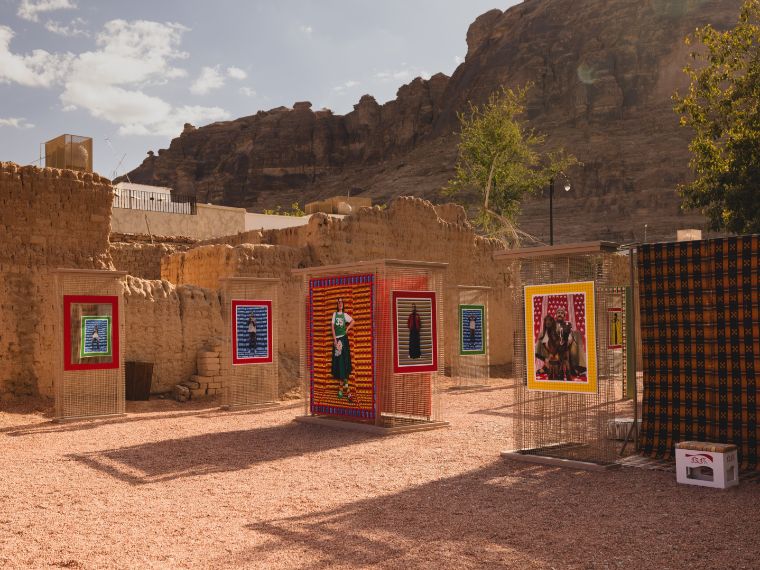

AlUla is not only about the past. It is also about how heritage and modern design can coexist.
One example is Maraya, a mirrored concert hall that reflects the desert around it. It hosts international performances, exhibitions, and seasonal festivals. The structure itself has become a symbol of the region’s transformation.
There is also a focus on:
-
Cultural festivals
-
Art installations in the desert
-
Restored AlUla Old Town
-
Community-led initiatives
Furthermore, tourism development has been planned with conservation in mind. Large parts of the landscape remain protected. This balance between growth and preservation is central to the long-term vision for AlUla.
What to Do in AlUla
The best way to experience AlUla is slowly and outdoors.
This is not a destination for rushing from one attraction to another. The environment shapes the pace.
Here are practical ideas:
1. Explore Hegra with a guided tour
Guided visits help explain the Nabataean history and symbolism behind the tombs.
2. Walk through AlUla Old Town
The restored mudbrick buildings offer insight into traditional life in the region.
3. Visit Elephant Rock at sunset
Light changes the color of the stone. Evenings are cooler and more comfortable.
4. Take a desert hike
Trails range from easy walks to more demanding routes through sandstone canyons.
5. Attend a seasonal event
Concerts and festivals often run during cooler months.
Because the climate is hot in summer, the best time to visit is typically between October and April.
Common Misconceptions About AlUla
Many travelers still misunderstand what AlUla is — and what it isn’t.
Here are a few common myths:
-
“It’s just sand.”
In reality, the landscape includes rock formations, oases, and green valleys. -
“It’s hard to access.”
Direct flights now connect AlUla to major cities in Saudi Arabia, and seasonal international routes are expanding. -
“There’s nothing to do after the tombs.”
Cultural programming, outdoor activities, and heritage sites extend beyond a single visit.
However, it’s important to plan ahead. Accommodation can fill up during peak season, and some experiences require advance booking.
Practical Travel Tips for Visiting AlUla
Preparation makes the trip smoother.
-
Check visa requirements in advance. Saudi Arabia offers an e-visa for many nationalities.
-
Visit during cooler months to avoid extreme heat.
-
Book guided tours through official operators.
-
Dress modestly and respect local customs.
-
Allow at least two to three days to explore the region properly.
In addition, consider pairing AlUla with other destinations in Saudi Arabia, such as Riyadh or the Red Sea coast, to see different sides of the country.
Conclusion: Why AlUla Is Worth Watching
AlUla is not just another desert destination. It is a place where ancient history and modern planning meet in a vast, open landscape.
From the tombs of Hegra to the mirrored walls of Maraya, the region shows how cultural preservation and tourism can evolve together. And while development is ongoing, the core identity remains tied to heritage and land.
If you are looking at future travel in Saudi Arabia, AlUla should be on your radar. It offers space, history, and a perspective that feels different from traditional city travel.


